All-on-X: a full arch of fixed teeth, planned by surgeon and restorative dentist together
All-on-X is the umbrella term for full-arch restorations - All-on-4, All-on-6, or more implants depending on your bone. One team plans the surgery and the final teeth from day one, so nothing is improvised.
What a full arch of fixed teeth actually is
All-on-X replaces a full upper or lower arch with a bridge anchored to dental implants placed in your jawbone. The X stands for the number of implants, and that number is decided by your anatomy rather than by a package name. Four implants is common in a lower jaw with dense bone. Six or eight is often the safer choice in an upper jaw, where bone tends to be softer and the sinuses limit where an implant can go.
The result differs from a conventional denture in one important way. It does not rest on your gums and it does not come out at night. The bridge is fixed to the implants, so biting force travels into bone instead of pressing on soft tissue. Most people find they can eat foods a removable denture made difficult, and speech usually settles faster because there is no plate covering the roof of the mouth.
Your bridge is removed only by your dentist, at maintenance visits.
Who All-on-X suits, and who it does not
The people who benefit most are those facing the loss of a whole arch, or who have already lost it. That includes advanced gum disease with teeth loose beyond saving, teeth broken down by decay or old failing crowns, and long-term denture wearers tired of adhesive and a plate that moves.
It is not automatically the right answer. If you still have healthy teeth that can be kept, we will tell you, because a bridge or a few single implants is often less treatment for the same result. Uncontrolled diabetes, active gum infection, heavy smoking and certain bone medications all change the risk picture, and several of those need to be managed before surgery rather than ignored.
Bone volume matters too. Thin or resorbed bone does not rule you out, but it may mean grafting, tilted implants, or a different implant count. A CBCT 3D scan at your consultation shows us what is actually there instead of what we hope is there.
How the plan comes together, from consult to final teeth
Your first visit is a conversation and a scan. We take CBCT 3D imaging, photos and a digital impression, then your oral surgeon and the restorative dentist look at the same file together. The surgeon decides where implants can go safely. The restorative dentist decides where the teeth need to be for your bite, your lip line and your speech. Those two answers have to agree before anyone books a surgery date.
On surgery day, remaining teeth are removed, the bone is shaped, and the implants are placed. Sedation options are available if you would rather not be aware of the procedure. When the implants are stable enough at placement, a fixed temporary bridge can go on the same day so you do not leave without teeth. That is not possible in every case, and we tell you before the day rather than after.
Bone then integrates around the implants over a period of months, and your final bridge is made and fitted after that.
Healing, aftercare and long-term maintenance
Expect swelling and bruising that peaks in the first two or three days and then eases. You will be on a soft diet at first, moving to firmer food as healing allows. Avoid smoking, straws and vigorous rinsing early on, since all three interfere with clotting. You go home with written instructions, a pain management plan and a number to call.
Follow-up visits check the temporary bridge, adjust the bite and confirm the implants are integrating. Small speech changes in the first weeks are normal and usually settle on their own.
Longer term, this is not a set-and-forget restoration. The area under a fixed bridge needs daily cleaning with a water flosser and threaded floss, and you come in for maintenance visits where the bridge is checked and cleaned properly. If you grind your teeth, a night guard protects the restoration. Implants do not decay, but the gum and bone around them can still get sick if plaque is left alone.
Cost, insurance and paying over time
All-on-4 starts at $27,000 per arch, and so do All-on-6, All-on-8 and same-day teeth. An implant-supported denture, which snaps onto implants and comes out for cleaning, starts at $12,500 per arch and is the lower-cost route for many people. The number of implants, any grafting and the material of the final bridge all move the final figure, which is why yours is confirmed at the consultation. The consultation itself is free.
You get the figure in writing before you agree to anything. No treatment starts on a verbal estimate.
Dental insurance rarely covers a full arch outright, but many plans contribute toward extractions, the implants or the prosthesis, and we verify your benefits for free so you know the real gap. Financing is available through Cherry, Affirm and Sunbit, and you can compare terms before committing. There is also an in-house membership plan for patients without dental insurance. HSA and FSA funds can usually be applied as well.
Treatments & pricing
All-on-4
Four implants supporting a fixed full arch. The most common full-arch approach when bone is adequate.
All-on-6 / All-on-8
More implants for greater bite force and bone preservation in larger or denser arches.
Implant-supported denture
A removable overdenture that snaps onto implants - a lower-cost full-arch option.
Same-day teeth
Where the bone allows, a temporary fixed arch placed the same day as surgery.
Prices are estimates for self-pay patients before insurance. What your own plan contributes depends on the policy, and we verify it with your insurer before treatment. Financing available - most patients qualify in minutes via Cherry or Sunbit.
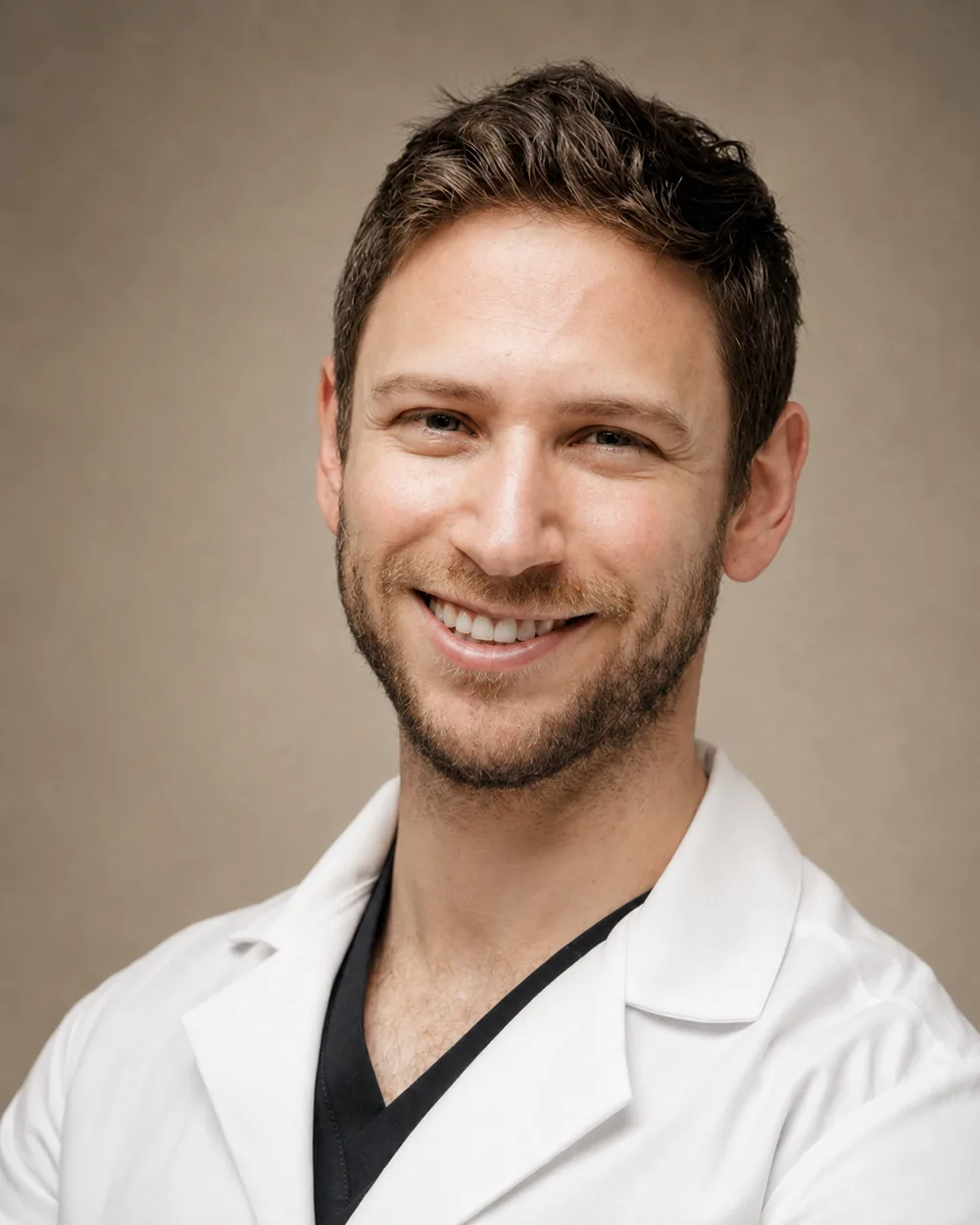
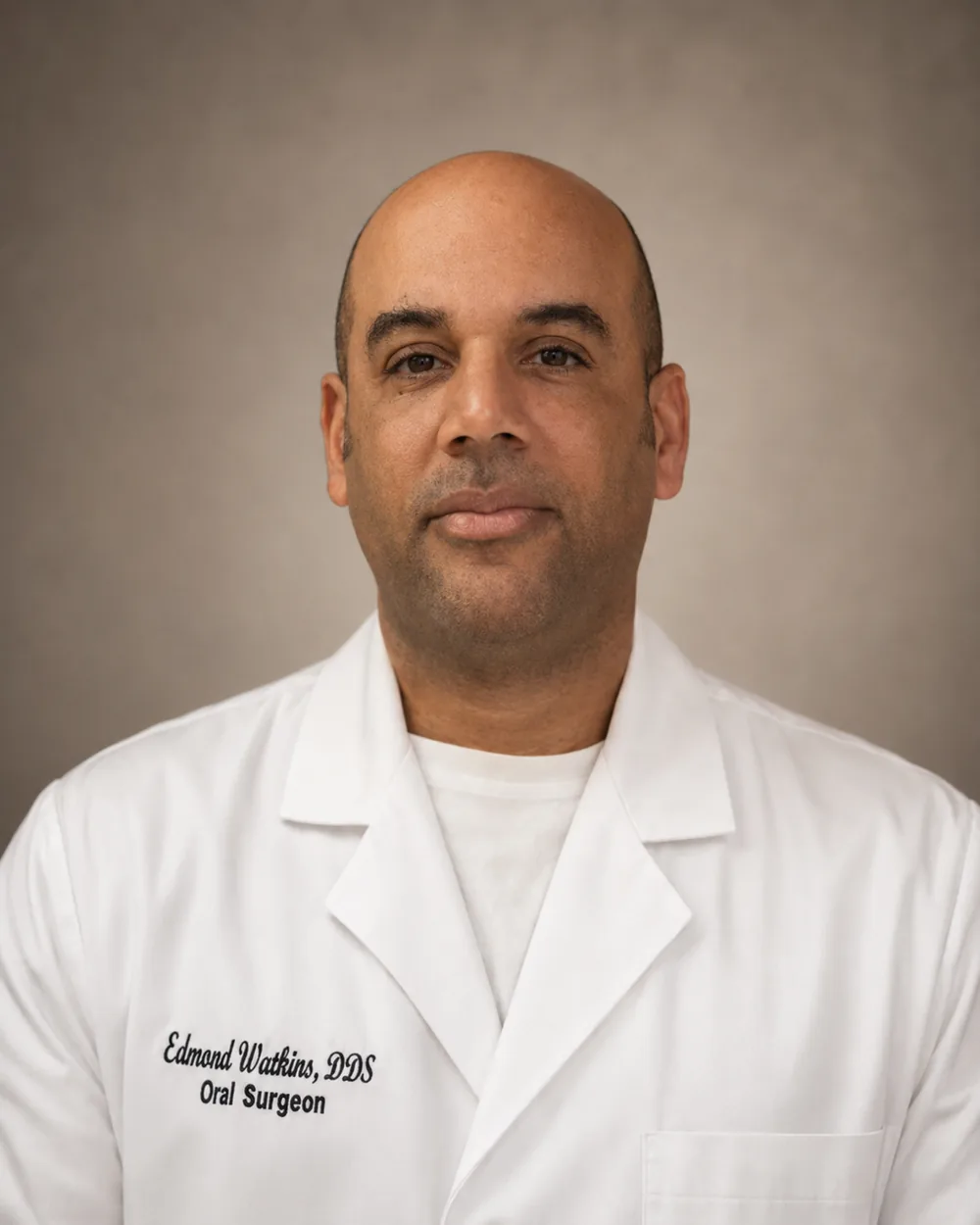
The team who handles this work
Frequently asked
How much does All-on-X cost in Houston?
All-on-4, All-on-6 and All-on-8 all start at $27,000 per arch at Omega. The final number depends on how many implants your bone needs, whether extractions or bone grafting are required, and the material of the final teeth. The final all-in figure depends on your case, so you get an exact, itemized number at your consultation, and we offer financing through Cherry and Sunbit, often with 0% plans.
What's the difference between All-on-4 and All-on-6?
The number is how many implants anchor the arch. All-on-4 uses four implants and works well when bone is adequate. All-on-6 or All-on-8 add implants for greater bite force and to preserve more bone, often chosen for the upper jaw or denser arches. Your surgeon recommends the count based on a 3D scan, not a sales target.
Are All-on-X teeth permanent?
The implants are permanent and the fixed arch is not removable by you - only your dentist removes it for maintenance. That's the main difference from a snap-on overdenture, which you take out daily. With good hygiene the implants can last decades; the visible teeth are serviced or replaced over time like any restoration.
Do I need a bone graft for All-on-X?
Not always - a key advantage of the All-on-4 design is that angled implants often use existing bone and avoid grafting. If a scan shows you need more bone, we'll tell you up front and include it in the plan. Some patients still get same-day teeth even when grafting is involved.
Can I get teeth the same day as surgery?
Often, yes. When your bone provides enough stability, we place a temporary fixed arch the same day so you don't leave without teeth. The final, stronger arch is made after the implants heal, usually a few months later. Whether same-day teeth are safe for you is confirmed at the consultation.
Related specialties
Ready to get started?
Book a consultation. We'll walk you through your options, your costs, and your timeline - no pressure.