Why Are My Teeth Shifting?
·
★ 4.7 · 1,000+ five-star reviews · Board-certified specialists · Open Saturdays
Teeth move throughout your life. That is normal, and slow crowding of the lower front teeth in your thirties and forties is one of the most common things we hear about. What is not normal is a tooth that has become loose, teeth that have moved quickly, or a bite that suddenly feels different. The distinction matters, because one is cosmetic and the other is a warning.
Seen in Midtown Houston, Saturday hours: Book an appointment · (713) 322-7474 · Orthodontics in Houston
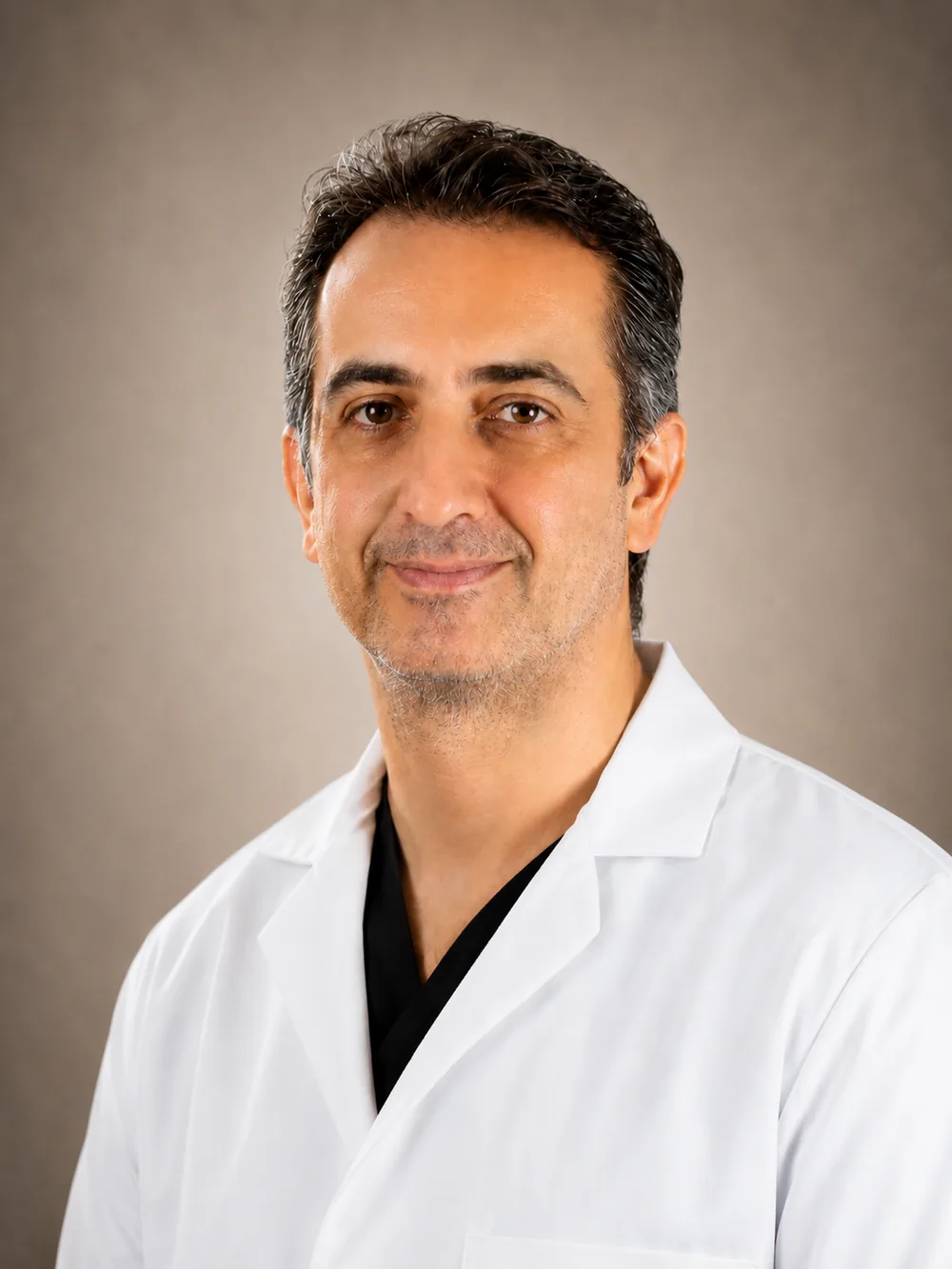
Medically reviewed by Dr. Pedram Bohluli, DDS, MS, PhD — Endodontist
Reviewed August 19, 2026
At Omega, Dr. Bernard Boback, Harvard-trained, board-certified orthodontist (ABO), handles orthodontics.
The Normal Kind of Shifting
Physiological drift is real and it affects almost everyone. Teeth migrate slightly forward and toward the midline over decades, driven by the constant pressure of chewing, swallowing, lips and tongue.
The lower front teeth show it first because they are the smallest and the most crowded to begin with. People notice it in their thirties: two lower incisors that used to be level now overlap slightly.
Jaw growth also does not stop when you finish adolescence. The lower jaw continues to rotate forward very slightly into middle age, which is one of the reasons late crowding happens even to people who never had orthodontic treatment.
None of that is dangerous. It becomes worth treating when it makes the teeth hard to clean, when it looks wrong to you, or when it is a sign of something else on this page.
The Most Common Cause: A Retainer That Stopped Being Worn
Teeth that were moved orthodontically want to go back. The bone and the fibers around the root remember the old position, and the pull is strongest in the first year but never fully disappears.
The adults who come to us about a gap reopening or a front tooth turning are, more often than not, people who had braces at 14 and stopped wearing their retainer around 20.
If that is you, the first step is not a new course of treatment. Find the old retainer. If it still seats, even tightly, start wearing it nights and call us. If it does not fit, do not force it, because you can damage a tooth trying.
A new retainer is a small fee next to the cost of re-treating. If the teeth have moved too far for a retainer to hold, Invisalign usually resolves a relapse case faster than the original treatment took, because the teeth are returning to a position they have occupied before. Call (713) 322-7474 for today's exact fees.
A Missing Tooth Nobody Replaced
This is the cause with the biggest downstream cost, and it is the one people underestimate.
When a tooth is removed and the space is left open, three things happen over the following years. The teeth on either side tilt into the gap. The tooth in the opposing jaw, with nothing to bite against, drifts down or up out of its socket. And the bone in that spot resorbs because nothing is loading it.
What starts as one missing molar becomes a tilted neighbor that traps food, an over erupted opposing tooth, and a bite that has quietly changed. Restoring it later is harder and more expensive than replacing the tooth would have been.
A single implant with its crown, a bridge, and a bone graft to preserve the socket at the time of extraction are each quoted in writing at your consultation, and a graft placed at extraction is a fraction of the cost of rebuilding lost bone later.
Wisdom teeth are the exception. They are not replaced, and their removal does not push the other teeth around, despite what you may have read.
When Shifting Is a Warning Sign
Call us rather than waiting if any of these apply.
• A tooth has become loose. In an adult, a loose tooth is not normal. The usual cause is periodontal disease that has destroyed the bone holding it, and the window to save it closes.
• Teeth have moved noticeably within months rather than years. Rapid movement points to bone loss, not to aging.
• Gaps are opening between front teeth that were previously tight. Advanced periodontitis pushes upper front teeth forward and apart, a pattern called pathologic migration.
• Your bite feels different when you close, or one tooth hits first.
• There is bleeding, swelling or a bad taste along with the movement.
Periodontal disease is the leading cause of adult tooth loss and it is usually painless until late. Scaling and root planing is priced per quadrant, so the exam determines the total, and deeper pockets need more than that, but treatment only works if there is still bone to save.
Grinding, Aging and Other Contributors
Grinding and clenching apply forces well beyond normal chewing, repeatedly, for hours at night. Over years this widens the ligament space around teeth, loosens them slightly, wears the biting surfaces flat and contributes to movement. Signs are waking with a tight jaw, flattened tooth edges, notches at the gumline, and a partner who hears it. A night guard is the fix, and it protects a great deal more than the teeth themselves.
Bone loss from periodontal disease is the most consequential contributor and is covered above.
Pregnancy raises hormone levels that increase gum inflammation, and combined with any existing bone loss this can allow noticeable movement. Dental cleanings during pregnancy are safe and worth keeping.
Smoking accelerates periodontal bone loss substantially and masks the bleeding that would otherwise warn you.
Acid reflux erodes enamel, which changes tooth shape and the way teeth meet, and over time alters the bite.
CPAP masks and mandibular advancement devices for sleep apnea can move teeth with prolonged use. This is a real effect and worth mentioning at your dental visits so it can be monitored, not a reason to stop treating your apnea.
What Actually Stops It
Wear a retainer. Removable ones need discipline; a bonded wire behind the front teeth removes the decision entirely, and for someone who has already relapsed once, that is usually the better answer.
Treat the gum disease if it is present. Nothing else on this list matters if the bone is disappearing.
Replace missing teeth, or at least understand what leaving the space will cost.
Get a night guard if you grind.
Keep the cleaning interval you are given, which for a periodontal patient is every three or four months rather than every six.
And stop smoking, which is the single largest modifiable risk factor for the bone loss underneath all of this.
Getting It Looked At in Midtown Houston
The exam that answers this takes about half an hour. We measure pocket depths around every tooth, check mobility, look at your X rays for bone levels, examine how your teeth meet, and check for wear patterns that point to grinding.
That separates the three situations: normal drift, orthodontic relapse, and bone loss. They need completely different responses, and guessing between them is how people lose teeth they could have kept.
Our orthodontist is Dr. Bernard Boback, Harvard trained. Our periodontist is Dr. Shirin Farhadian, board certified and a Diplomate of the American Board of Periodontology. If the answer involves both, they are in the same building.
We are at 106 W Gray St in Midtown, minutes from Montrose, River Oaks, Downtown, the Museum District and the Texas Medical Center, with Saturday appointments. It starts with a new patient exam and cleaning, and every fee is given in writing before treatment.
Call (713) 322-7474 or book online.
Frequently asked
Why are my teeth shifting all of a sudden?
Sudden movement is different from slow drift and deserves an appointment. The usual causes are periodontal disease destroying the bone that holds the teeth, a tooth that was lost and never replaced allowing the neighbors to tilt in, or heavy grinding. If a tooth has become loose, gaps are opening between front teeth, or your bite feels different when you close, call us rather than waiting.
Can teeth shift years after braces?
Yes, and it is one of the most common reasons adults come to see us. Teeth that were moved orthodontically retain a tendency to return toward their original position, strongest in the first year but never fully gone. The usual story is braces at 14 and a retainer abandoned around 20. A new retainer at Omega Dental Specialists is a small fee next to re-treating, and Invisalign usually corrects a relapse case faster than the original treatment took. Call (713) 322-7474 for today's fees.
Do wisdom teeth cause teeth to shift?
The evidence does not support wisdom teeth pushing the front teeth out of alignment, and late lower front crowding happens just as readily in people who never developed wisdom teeth at all. There are good reasons to remove impacted wisdom teeth, including decay, infection risk and damage to the tooth in front, but preventing crowding is not one of them.
Is it normal for teeth to shift as you age?
Yes, to a degree. Teeth migrate slowly forward and toward the midline over decades under the pressure of chewing, swallowing, lips and tongue, and the lower front teeth crowd first because they are smallest. The lower jaw also continues rotating very slightly into middle age. This is normal. Rapid movement, a loose tooth, or new gaps between front teeth are not.
How do I stop my teeth from shifting?
Wear a retainer, which is the single most effective step, and a bonded wire behind the front teeth removes the need to remember. Treat any gum disease, because nothing else works while bone is being lost. Replace missing teeth so the neighbors do not tilt in. Get a night guard if you grind. Keep the cleaning interval you are given, and stop smoking.
Can a loose tooth be saved?
Sometimes, and the answer depends on how much bone is left around the root. Periodontal treatment can stop further loss and firm up a tooth that is mobile from inflammation, and splinting to neighboring teeth is occasionally an option. A tooth with most of its supporting bone gone usually cannot be saved. This is time sensitive, so a loose adult tooth warrants an appointment within days rather than months.
Will my teeth shift if I do not replace a missing tooth?
Almost certainly, over years. The teeth on either side tilt into the space, the opposing tooth drifts out of its socket with nothing to bite against, and the bone in that area resorbs. Restoring the situation later is harder and more expensive than replacing the tooth was. A single implant with its crown is quoted in writing at your consultation at Omega Dental Specialists in Houston — call (713) 322-7474.