How Much Does a Root Canal Cost in Houston?
·
★ 4.7 · 1,000+ five-star reviews · Columbia- and UTHealth-trained endodontists · Open Saturdays
The cost of a root canal in Houston depends on which tooth it is: front teeth cost the least, molars the most, and redoing a failed root canal costs more than a first treatment. The crown a back tooth needs afterward is quoted with it. We put today's exact fee for your tooth in writing before you commit: (713) 322-7474.
Seen in Midtown Houston, Saturday hours: Book an appointment · (713) 322-7474 · Endodontics in Houston

Medically reviewed by Dr. Pedram Bohluli, DDS, MS, PhD — Endodontist
Reviewed September 30, 2026
At Omega, Dr. Pedram Bohluli and Dr. Parastou Terrany, endodontists, handle endodontics.
Root Canal Cost in Houston, by Tooth
Root canal cost in Houston typically runs $900 to $2,000 depending on the tooth. Our fees at the office on West Gray sit inside that range and are published exactly: $1,200 for a front tooth, $1,400 for a premolar and $1,600 for a molar. Retreatment, which means redoing a root canal that has failed, runs higher than a first treatment on the same tooth. An apicoectomy, the small procedure at the root tip when a retreatment will not solve the problem, is quoted separately. Every one of those fees is published on our root canal treatment in Houston page.
Search for the average cost of a root canal in Houston and you will find a wide spread of figures. All of them are true somewhere, and none of them tells you what your tooth costs. The same goes for Texas-wide averages: the state does not set the number, the tooth does. Ask any office for their exact number before you sit down, and ask whether the crown is included. Ours is in the table below, and one call puts it in writing for your tooth: (713) 322-7474.
| Procedure | Typical Houston range | Our fee |
|---|---|---|
| Front tooth (incisor or canine) | $900–$1,400 | $1,200 |
| Premolar (bicuspid) | $1,000–$1,600 | $1,400 |
| Molar | $1,200–$2,000 | $1,600 |
| Retreatment of a failed root canal | $1,400–$2,200 | $1,400–$1,800 by tooth |
| Apicoectomy (surgical retreatment) | from $2,000 | $2,000 |
| Crown after a root canal | $1,200–$2,000 | from $1,200 |
| Post and core build-up, when needed | $400–$600 | $438 |
Every fee is itemized in writing before you commit: (713) 322-7474.
Why Molars Cost More Than Front Teeth
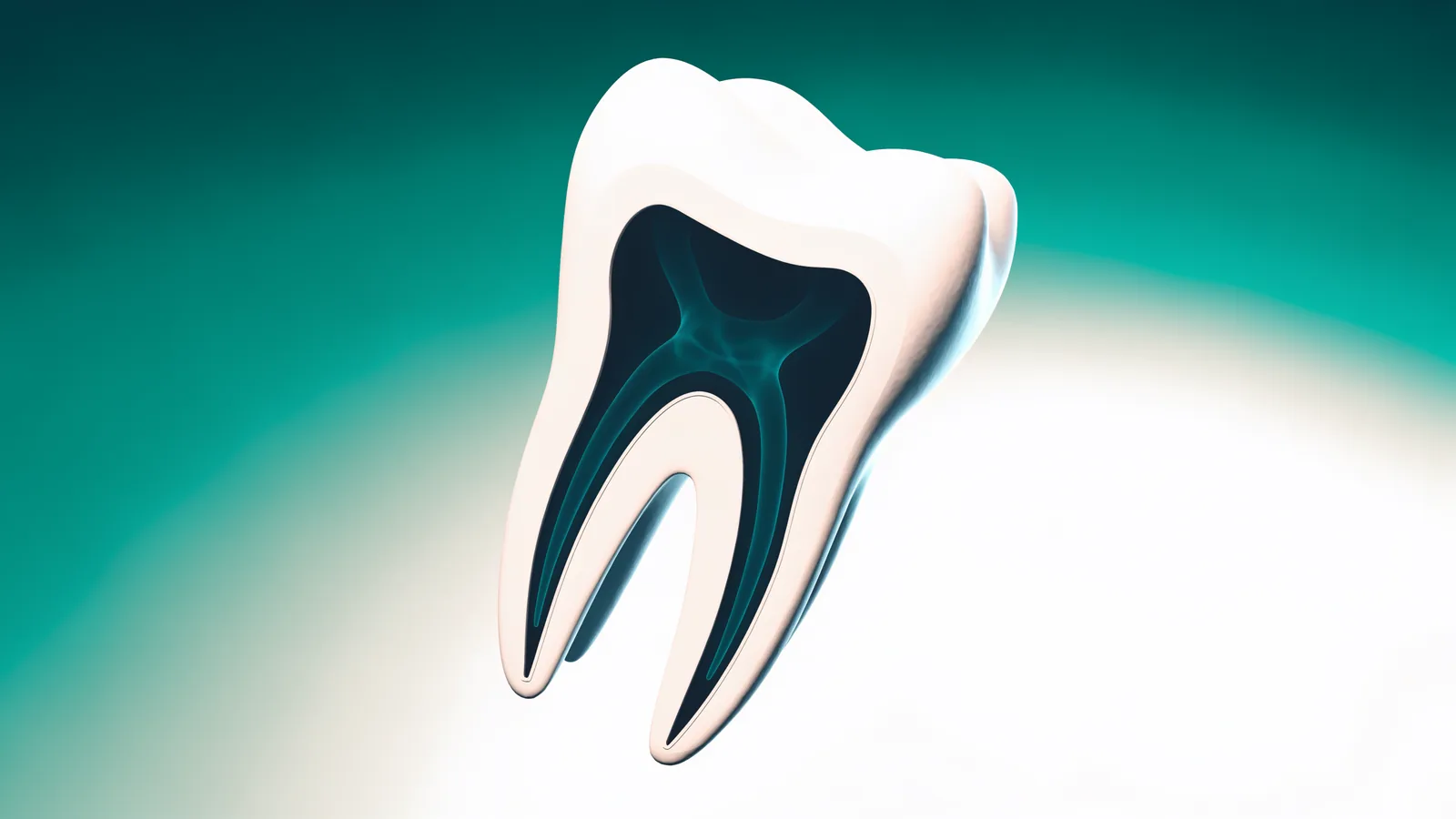
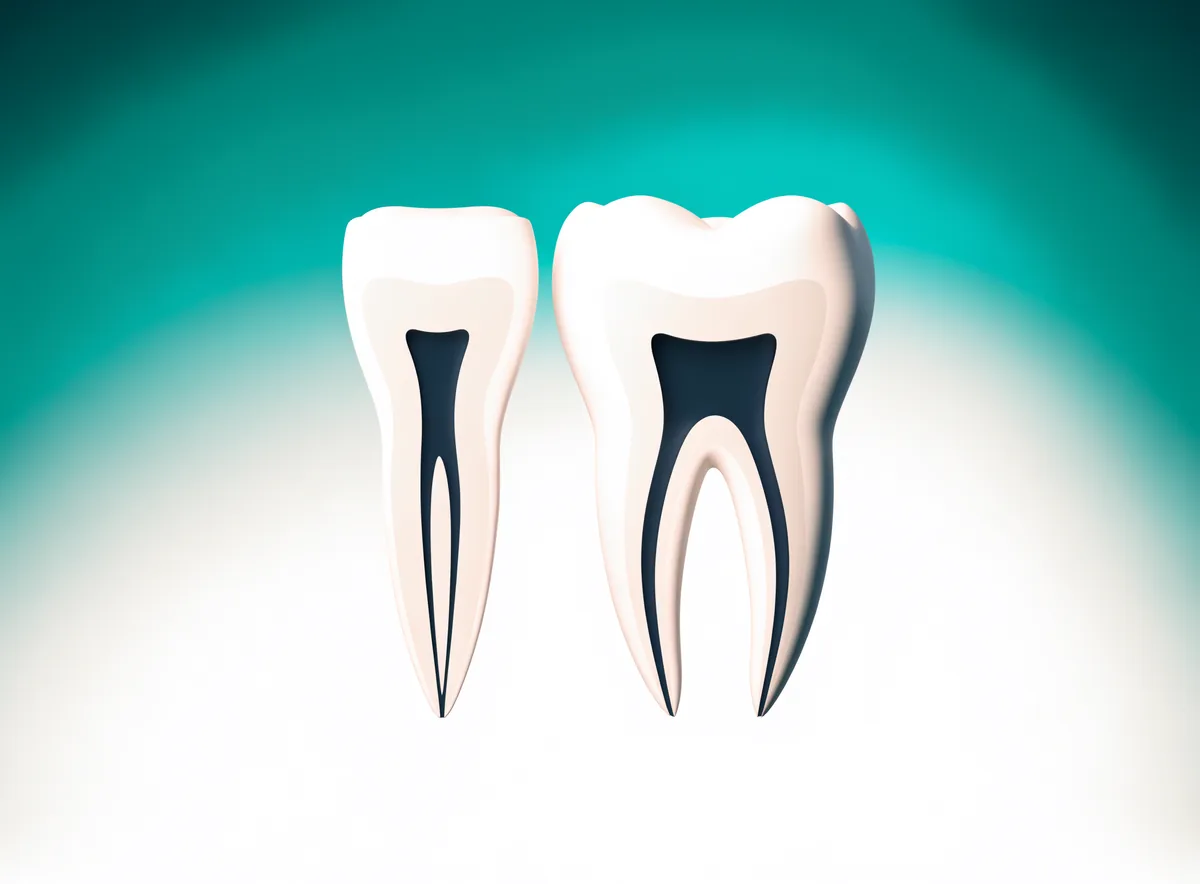
Front teeth have a single canal. Premolars usually have two. Molars have three or four, they sit at the back where access is tighter, and their canals curve. More canals means more chair time and more instrumentation, which is the whole reason a back tooth costs more than a front one anywhere you go.
A few things add time to the appointment:
• A tooth that is already abscessed often needs the infection brought under control first. • Calcified canals, common in older teeth and in teeth injured years ago, are slower to find and shape. • IV sedation is available at an additional fee if you want it. Most patients do not need it and do fine on local anesthetic.
Root Canal Cost Without Insurance
The fee for your tooth is the same whether or not you carry a plan, and we will put it in writing before we start.
Two things help if you are paying out of pocket. We finance through Cherry, Affirm and Sunbit, so the treatment can be spread across monthly payments instead of paid in one go. And for patients without insurance, our in-house annual membership plan covers cleanings, exams and X-rays and takes 15% off the crown a back tooth needs afterward; the root canal itself isn't discounted.
A new patient exam and cleaning is the first step, so you can find out exactly what the tooth needs, and what it will cost, before committing to anything; call us for today's fee.
Root Canal Cost With Insurance
How much of a root canal your plan pays depends entirely on the policy you hold, and endodontic treatment is usually classified differently from routine care. Deductibles, waiting periods and the annual maximum all affect the final number, and plans commonly cap total benefits for the year across all your dental work.
We verify your benefits with your insurer before treatment and put your share in writing, so you are not planning around an average. We file the claim for you.
Root Canal and Crown Cost, Quoted Together
A root canal takes the infected pulp out of the tooth and seals it. On back teeth the tooth then needs a crown, because a molar that has been hollowed out will eventually split under chewing pressure. The crown is quoted alongside the root canal so you see the whole cost of saving the tooth at once, and a post and core to rebuild the inside of the tooth first, when it is needed, is itemized on the same written quote.
This is worth being blunt about. Skipping the crown is the most common way patients lose a tooth they already paid to save. The American Dental Association's patient guidance says the same thing: a crown shields a tooth weakened by root canal treatment, and with proper care the restored tooth can last a lifetime.
Root Canal Retreatment Cost in Houston
Redoing a root canal is a bigger job than doing it the first time. The old filling material has to come out, a post sometimes has to be removed without damaging the root, and whatever the first treatment missed, usually a canal, has to be found and cleaned. That extra work is why retreatment runs higher than a first root canal on the same tooth, here and anywhere else.
It is still usually worth it. The American Association of Endodontists' guide to retreatment notes that a retreated tooth can function well for years, and keeping your own tooth usually beats replacing it. For Dr. Bohluli this is daily work rather than an occasional case. Retreatment here runs $1,400 to $1,800 depending on the tooth, and if an apicoectomy at $2,000 is the better route, we quote that instead: (713) 322-7474.
Root Canal vs Extraction: Which Costs Less?
Pulling the tooth costs less today. It is rarely less expensive by the end.
Once a tooth is gone the teeth around it drift and your bite changes. If you decide to replace it, a single implant with its crown costs several times what the root canal would have. So the real comparison is the root canal to keep the tooth you already have, against a small fee now plus a much larger one later to replace it.
Sometimes a tooth genuinely cannot be saved, and we will tell you that directly rather than sell you a procedure that will not hold.
Who Performs Your Root Canal Matters
Dr. Pedram Bohluli handles endodontic treatment at our office. He trained in endodontics at Columbia University, holds a Master’s and PhD in Biomedical Engineering, and has practiced for more than 20 years. The American Association of Endodontists puts it plainly: endodontists complete two or more years of training beyond dental school devoted to the inside of the tooth, and fewer than three percent of dentists are endodontists. They perform this procedure daily rather than occasionally.
That gap shows up on the hard cases: curved canals, calcified canals, and retreatments where someone else's work has to be taken apart first. We use rotary instrumentation and digital imaging, which is what makes those cases predictable.
Emergency Root Canal in Houston
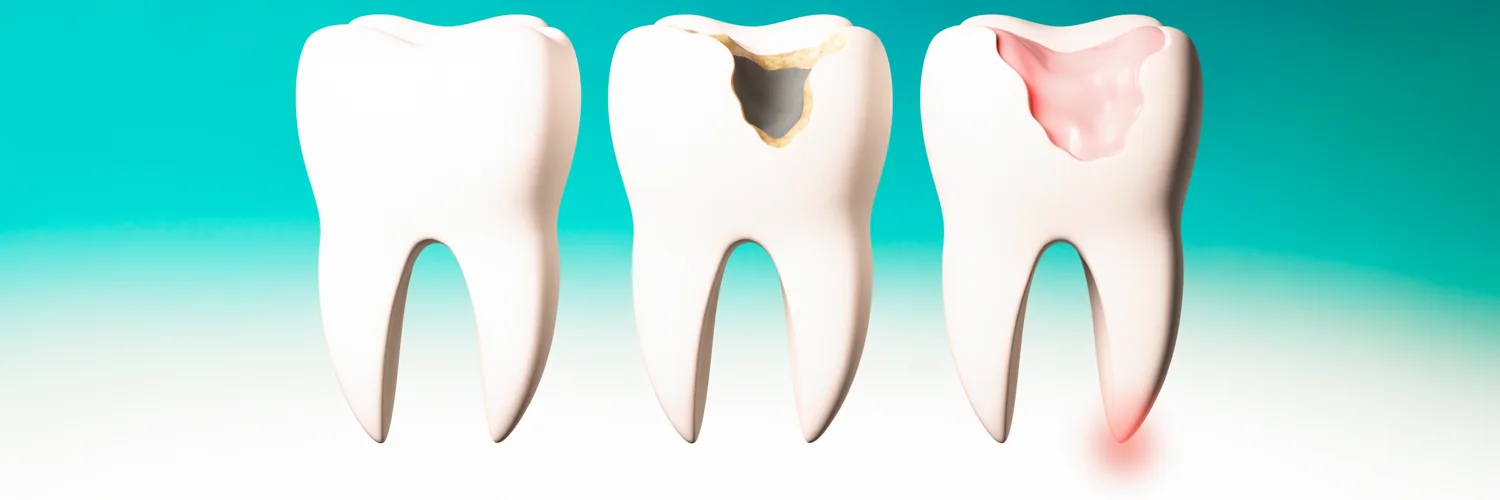
An abscessed tooth does not settle down on its own, and the infection does not stay put. The Mayo Clinic warns that even if an abscess ruptures and the pain eases, the infection is still there and can spread to the jaw and beyond. Severe pain, swelling, or a bad taste from around a tooth are all reasons to be seen the same day.
We are at 106 W Gray St in Midtown, minutes from Downtown, Montrose, the Museum District and the Texas Medical Center, and we keep time open for emergencies. We are open Monday through Saturday, and if you are already our patient, the same number reaches our on-call doctor after hours for an emergency. Call (713) 322-7474.
Does It Hurt?
Less than the toothache that brought you in. You are fully numb before anything begins, and the American Association of Endodontists reports what our patients tell us too: most people describe the appointment as feeling like a long filling. The tooth is usually sore for a few days afterward, which ibuprofen handles for most people. We go over pain management with you before you leave, and you can call us if anything changes.
Frequently asked
How much does a root canal cost in Houston?
Between $900 and $2,000 at most Houston offices, depending on the tooth. Our fees are exact: $1,200 for a front tooth, $1,400 for a premolar, $1,600 for a molar, and retreatment runs $1,400 to $1,800. The crown a back tooth usually needs afterward is from $1,200, quoted with the root canal, and everything goes in writing before we start.
How much is a root canal in Houston without insurance?
The same fee we charge patients who have insurance, put in writing before we start. Payment plans through Cherry, Affirm and Sunbit spread the cost over monthly payments, and for patients without coverage our annual membership plan takes 15% off the crown, though not the root canal itself.
Does dental insurance cover root canal treatment?
Root canals are usually classified as a major restorative procedure, which most plans treat differently from routine care, and your deductible and annual maximum both affect what you pay. We verify your benefits before treatment and file the claim on your behalf, so you know your share before we begin.
How much does a molar root canal cost in Houston?
A molar root canal is $1,600 at our office, the most of any tooth, because molars have three or four canals and take the most chair time. The crown a molar almost always needs afterward is from $1,200, quoted together in writing so you see the whole cost of saving the tooth at once. Call (713) 322-7474.
How much does a root canal retreatment cost in Houston?
Higher than a first root canal on the same tooth: $1,400 for a front tooth, $1,600 for a premolar and $1,800 for a molar here, because the old filling material, and sometimes a post, has to come out before the missed canal can be found and cleaned. If an apicoectomy at $2,000 is the better route, we will tell you that instead.
How much does an emergency root canal cost in Houston?
The fee is set by which tooth it is, on the same schedule as a planned visit. What an emergency changes is timing: we keep same-day time open on weekdays (on Saturdays it depends on the day's schedule), and treating an infected tooth promptly is what prevents the larger costs that come with letting the infection spread. Call (713) 322-7474. The full same-day picture is on our emergency root canal page.
Is a root canal less expensive than pulling the tooth?
An extraction costs less on the day. Replacing that tooth later with a single implant costs several times what the root canal would have, which is why keeping your natural tooth is usually the less expensive path overall.
Do root canals hurt?
You are numb before treatment starts, and most patients describe it as similar to having a long filling done. Expect some soreness for a few days afterward. The pain people remember is almost always the infection beforehand, not the procedure.
How many visits does a root canal take?
Most are completed in a single visit. Molars with several canals, and retreatments of work done elsewhere, sometimes need a second appointment.
Why are root canals expensive?
The fee reflects the additional two or more years of training an endodontist completes, the microscopes and 3D imaging used to find and shape narrow curved canals, the materials that seal the tooth, and the follow-up to confirm it has healed.
Can a root canal wait?
An infected tooth does not heal on its own. Waiting usually means more pain, and it can turn a tooth that was straightforward to save into one that has to be extracted. If a dentist has told you that you need a root canal, get it scheduled.
Why do some Houston root canal quotes come to $3,000 or more?
Because the quote usually bundles the parts. The root canal itself is $1,200 to $1,600 here depending on the tooth. Add a post and core at $438 when the tooth needs rebuilding, and a crown from $1,200, and a complete restoration can legitimately pass $3,000 anywhere in Houston. The problem is not the total, it is a quote that hides the parts. Ours itemizes each piece, so you can see what is the root canal and what is the rebuild.
Can I get a root canal while wearing Invisalign?
Usually yes. Aligners come out for the appointment, so the endodontist can work without touching your orthodontic plan, and most root canals do not change the tooth's shape enough to affect how the aligner fits. If the tooth later needs a crown, we coordinate the timing with your aligner stages so a new tray fits the new crown. Here that conversation happens down the hall, since Invisalign and endodontics are under one roof.